
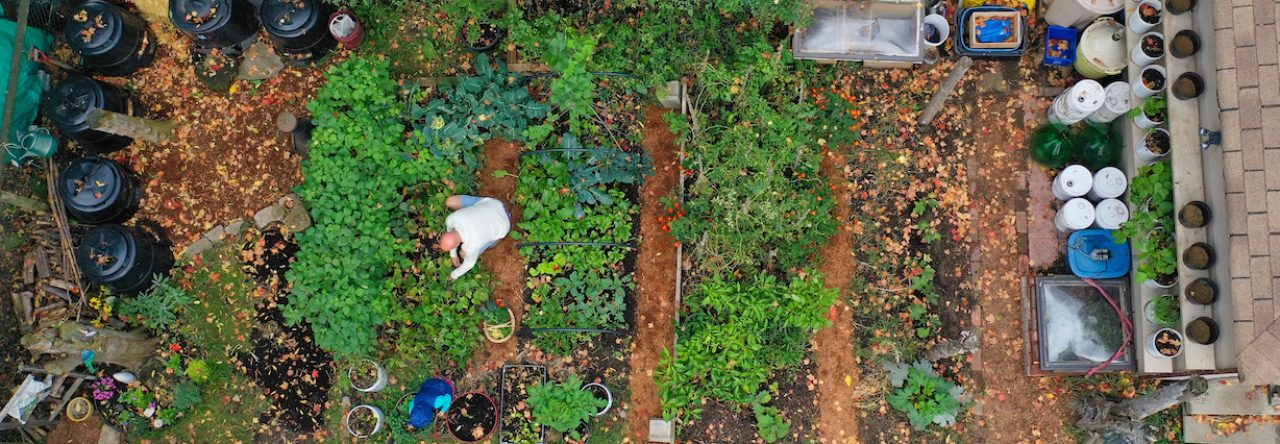
CRAY@Downsview today: Johnson-Su bioreactors under construction for long-seasoning fungal compost, fully mature by Spring 2025.
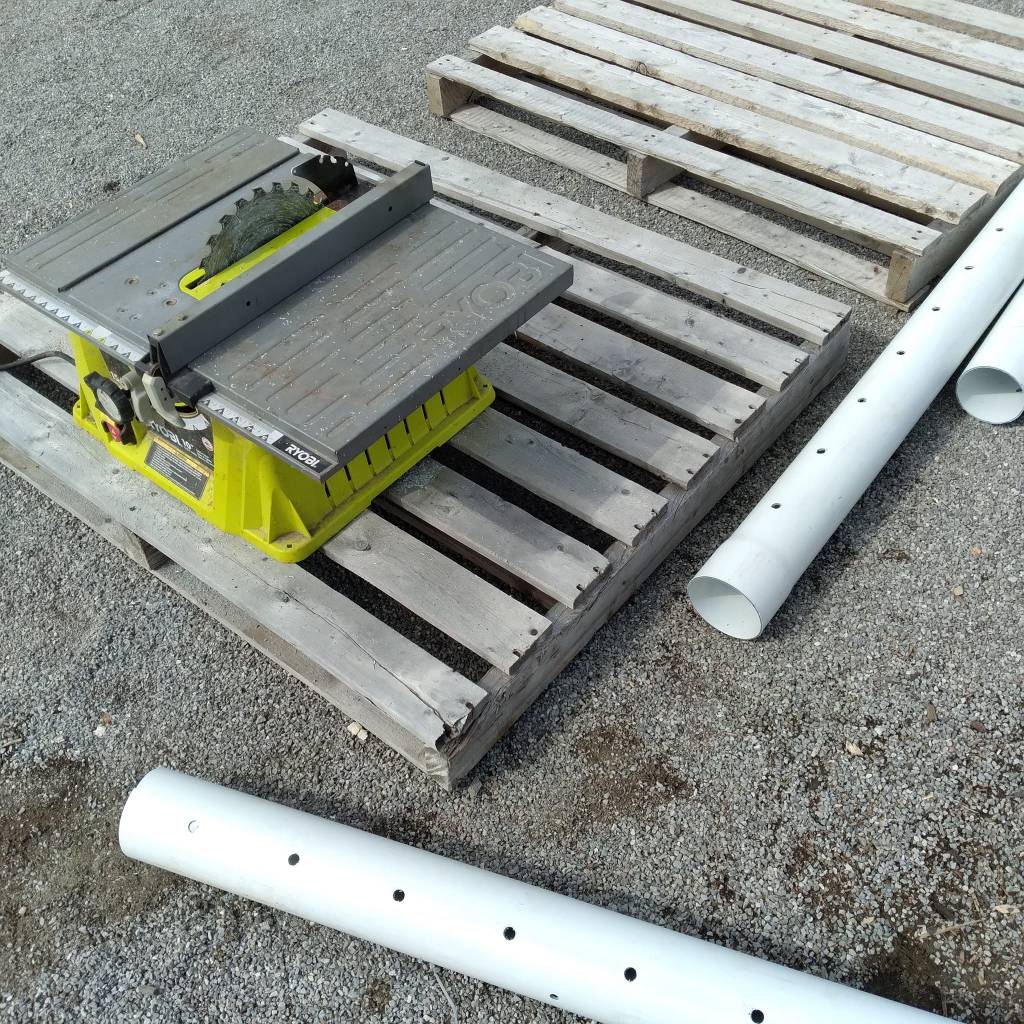
While bacterial health is important in soils, and by extension in compost, research indicates that they are not nearly as important to the soil as fungal biodiversity. Fungi are key to nutrient cycling, plant immune response, rhizosphere extension, and more that we are continually learning about every day. They contribute important biotic glues to processes of soil aggregation. They are key to underground mycelial networks and interplant communication.
And yet excessive tillage of the soil can substantially deplete the quantity, diversity, and sheer biomass of fungal populations. Which in turn brings us back to industrial compost and the ‘excessive tillage’ of its production methods: Could we, by contrast — like a winery or farm — grow high-quality fungal composts such that these may be used in turn to inoculate or otherwise remediate less healthy soils elsewhere?
CRAY@Downsview today: Johnson-Su bioreactors under construction for long-seasoning fungal compost, fully mature by Spring 2025.
INTERMEDIATE HOT COMPOSTING
an In-Kind Workshop Opportunity
with Crooked Farmz
at CRAY@Downsview
—–
Crooked Farmz is inviting individuals interested in hot composting methods to participate in a unique workshop opportunity.
It will be of interest to urban farmers, backyard growers, gardeners, and others concerned with questions around soil health.
We are making a limited number of our 2023 compost tea CSA subscriptions available on an “in-kind” basis. This means a trade of 4 hours of workshop working time volunteered on our newly-established Downsview Park research farm plot space in exchange for 4 issues of our freshly-brewed compost tea next summer, 2 litres received each month from June to September.
Concurrent to this worker bee will be a live workshop, teachable space, and Q+A around intermediate-level hot composting techniques.
Our first workshop and worker bee day will take place on Wednesday, October 5th, from 10am until 2pm (Rain day: Oct. 10).
How it works
Participants are requested to sign up in advance for one of the ten (10) limited spots available prior to the Oct. 5 work date: https://www.localline.ca/crookedfarmz >> Workshops >> CRAY@Downsview Worker Bee – Oct.5.
Our 10am-2pm time slot will consist of a live demonstration workshop of hot composting techniques in parallel with the group construction of a Johnson-Su compost bioreactor.
The worker bee will also include a 30-minute lunch break. A main course will be provided by Crooked Farmz, though we invite all participants to contribute a small item for a collective potluck luncheon.
At the conclusion of the event, you will receive a voucher for a free 2023 compost tea CSA subscription from Crooked Farmz.
In-kind value
Our small-sized CSA subscriptions are currently valued at $80/season, so your 4-hour contribution (3.5 working hours + concurrent workshop + 30 min lunch) would be valued at $20/hour. For those interested in our medium or large-sized subscriptions for 2023, you can sign up for 1 or 2 additional worker bees in the future as an alternative.
Compost tea will only be available for pickup next summer at one of our many pickup locations around Toronto. These include select farmers’ markets, garden centres, and the Downsview Park Farm itself. A full list of pickup opportunities will be announced in Spring 2023.
Requirements
This is a physically demanding volunteer opportunity. While we will try our best to match the work that is required that day to the capabilities of all those present, generally speaking you should be capable of lifting 25 pounds and being on your feet for several hours at a time under exposed environmental conditions (sun, wind, cold, light rain).
In advance of beginning the worker bee, all participants will be required to sign a waiver that releases both Crooked Farmz and our landlord Fresh City Farms from any liability while on site.
Please only sign up if you intend to make a commitment to be there for the full 4 hours that day!!
About CRAY@Downsview
The Compost Research Array at Downsview Park Farm (CRAY@Downsview) is an experimental microfarm and permaculture space being developed by Crooked Farmz as part of the Fresh City Farms urban agriculture partnership, launching in 2022-23.
CRAY@Downsview has three primary components: first, a compost production space where different composting techniques will be practised to create finished compost of high microbial diversity to support Crooked Farmz‘ compost tea brewing; second, a field trial space in which we may research different applications of compost tea and microbial inoculation; and finally, a small permaculture space to grow plants in support of the first two components as well as contribute to the overall biodiversity of the farm.
Questions
Any questions may be directed to Sean Smith at sean@crookedfarmz.net
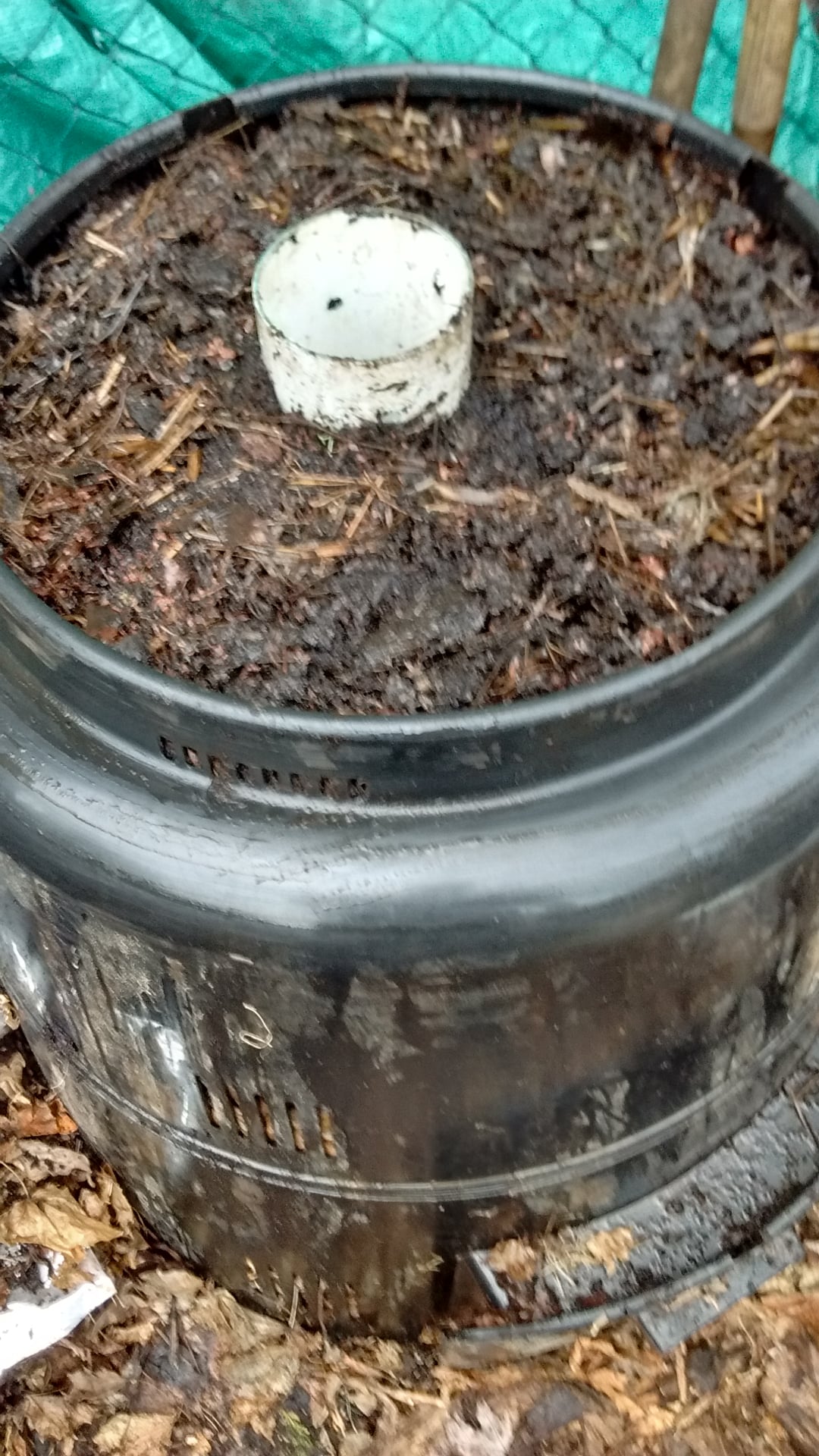
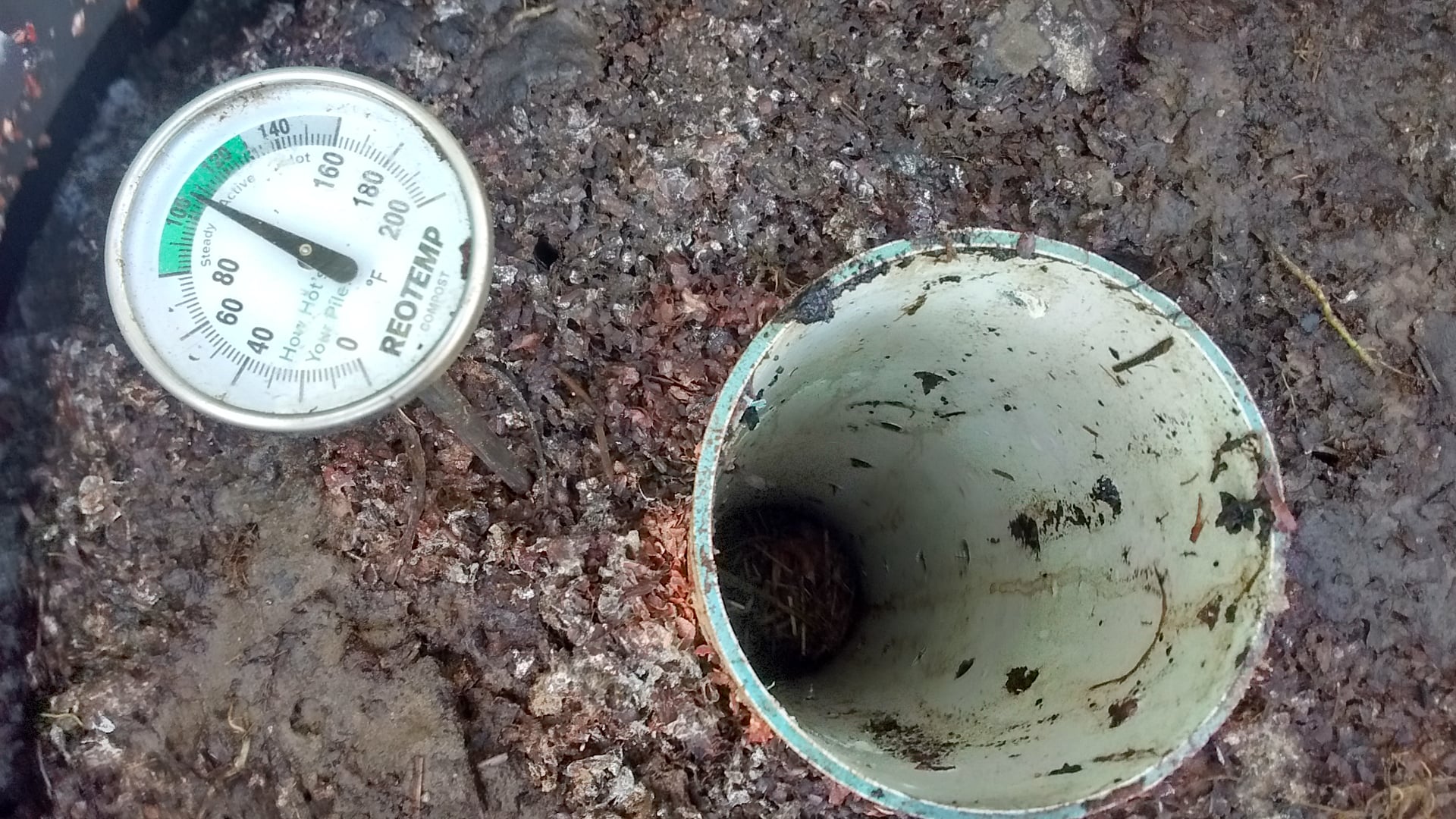
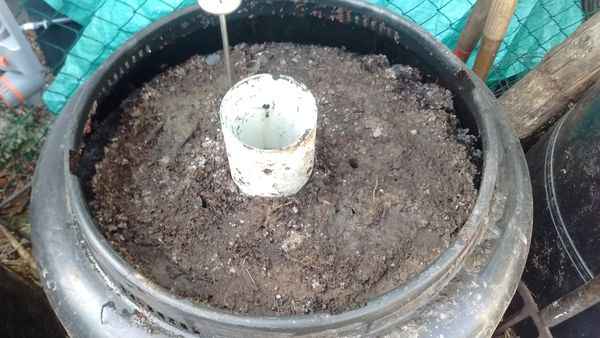
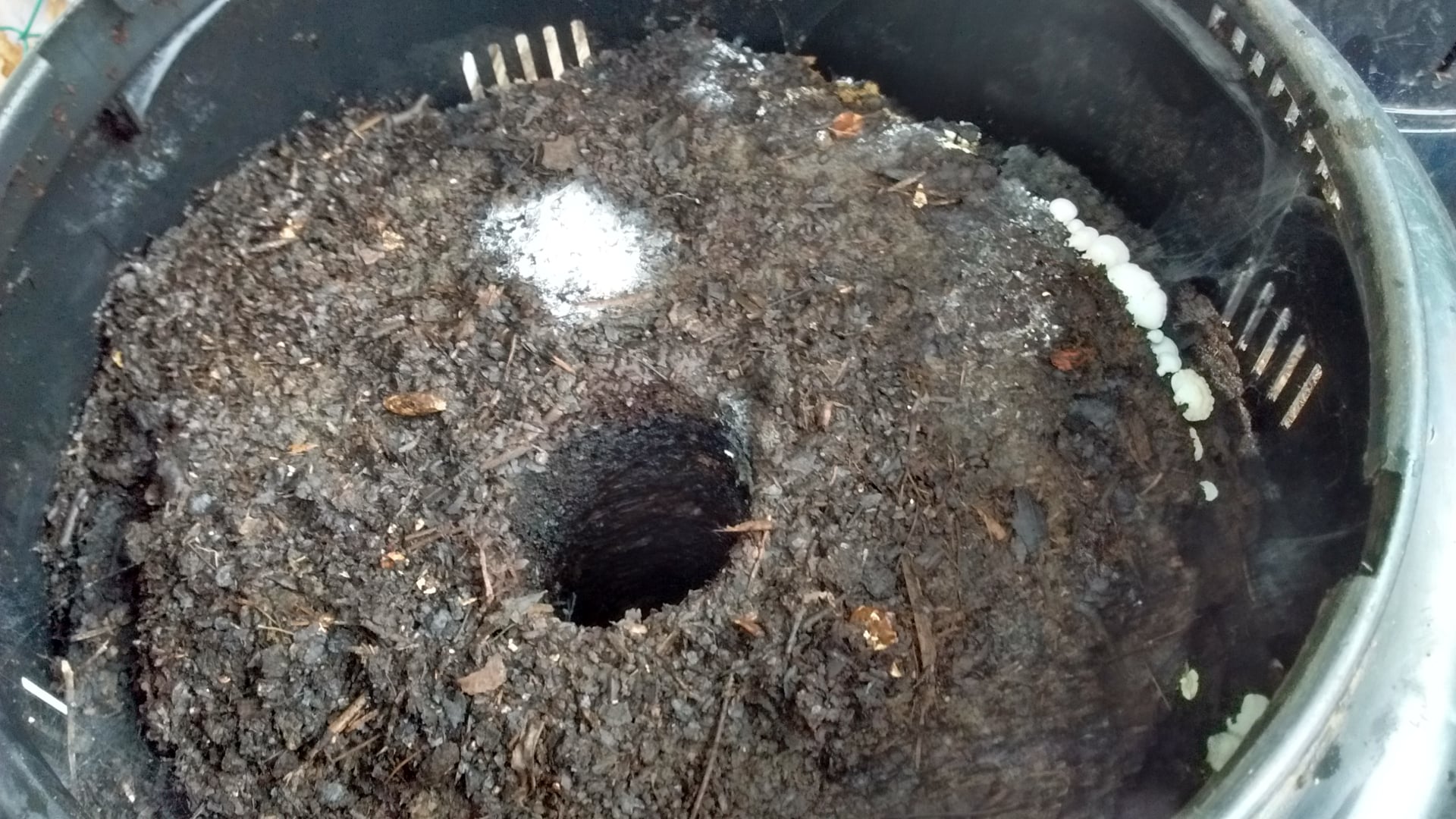
devised a technological hack for backyard composting, adapted from the Johnson-Su process for building fungally-dominant bioreactors: upcycled dish rack found on curbside, inverted to provide for updraft (like the ‘basket’ for wood in a fireplace), with a 4″ perforated PVC pipe on top and bungee cord holding it in place during loading phase….. after a few days the pipe is removed and the dish rack leaves an air pocket at the bottom for updraft and aeration of the pile.
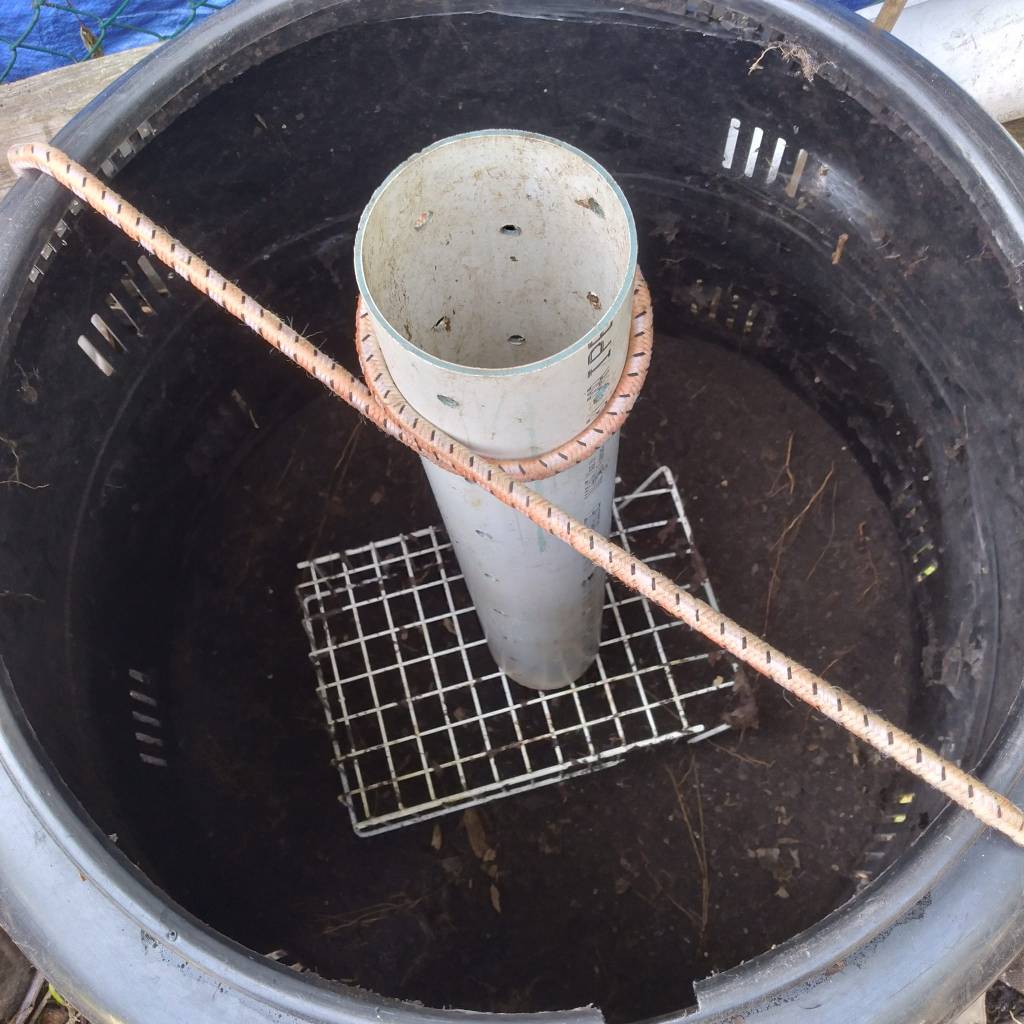
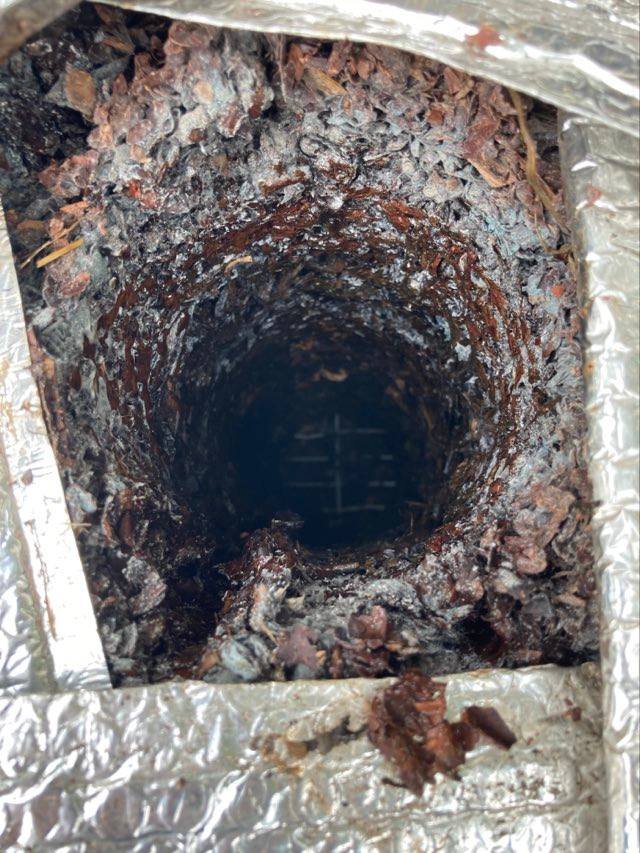
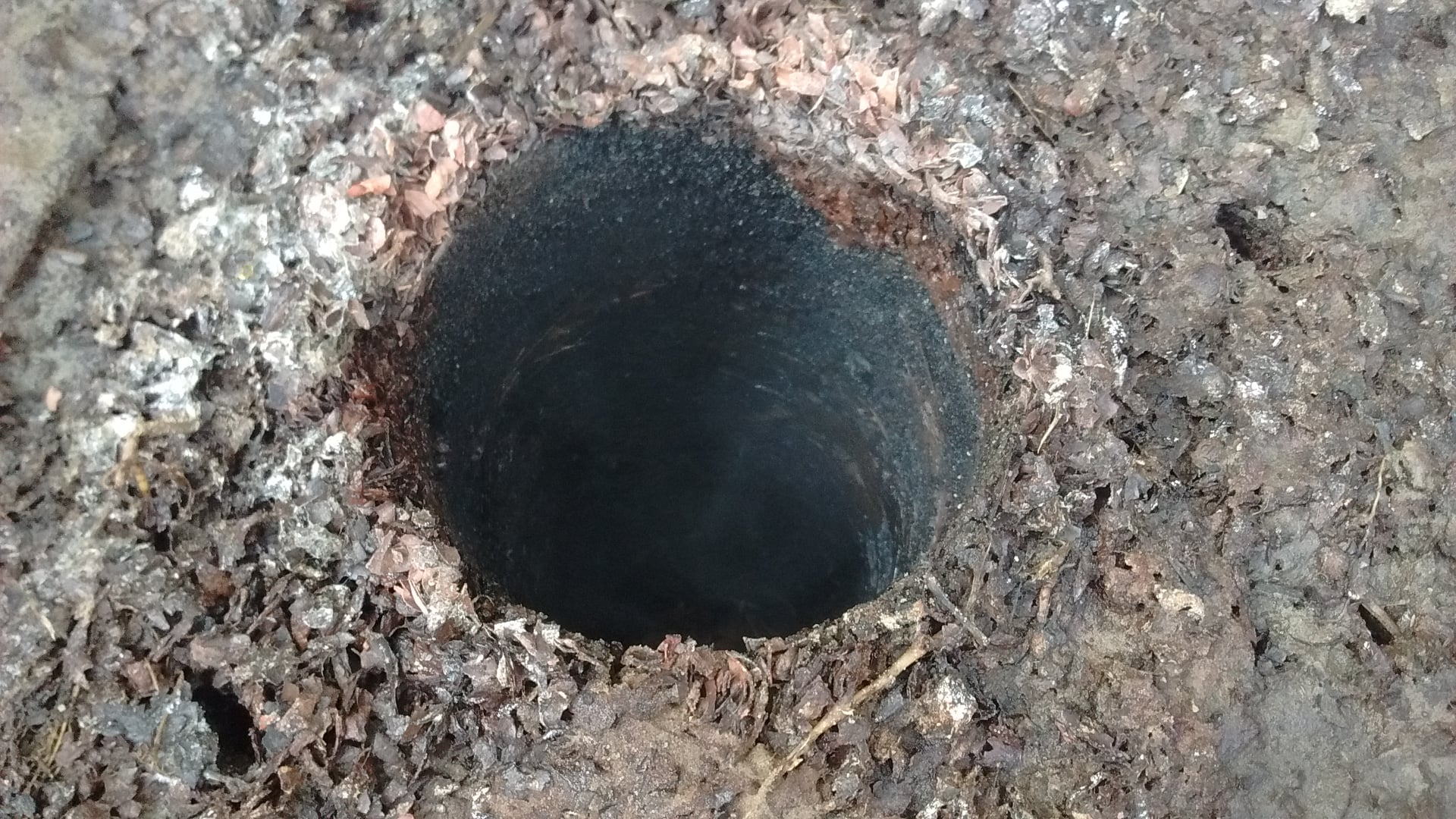
PVC pipe stack being pulled out of a backyard dalek-scale Johnson-Su bioreactor…. like looking into a Hitchcock movie!
presoaked woodchip, cocoa shell mulch, yard and grass trimmings, kitchen scraps and limestone dust to make the pile, it’s pretty low on nitrogen i think, so might not be ready until Spring 2024…..
Johnson-Su Variations on Dalek Compost Bin
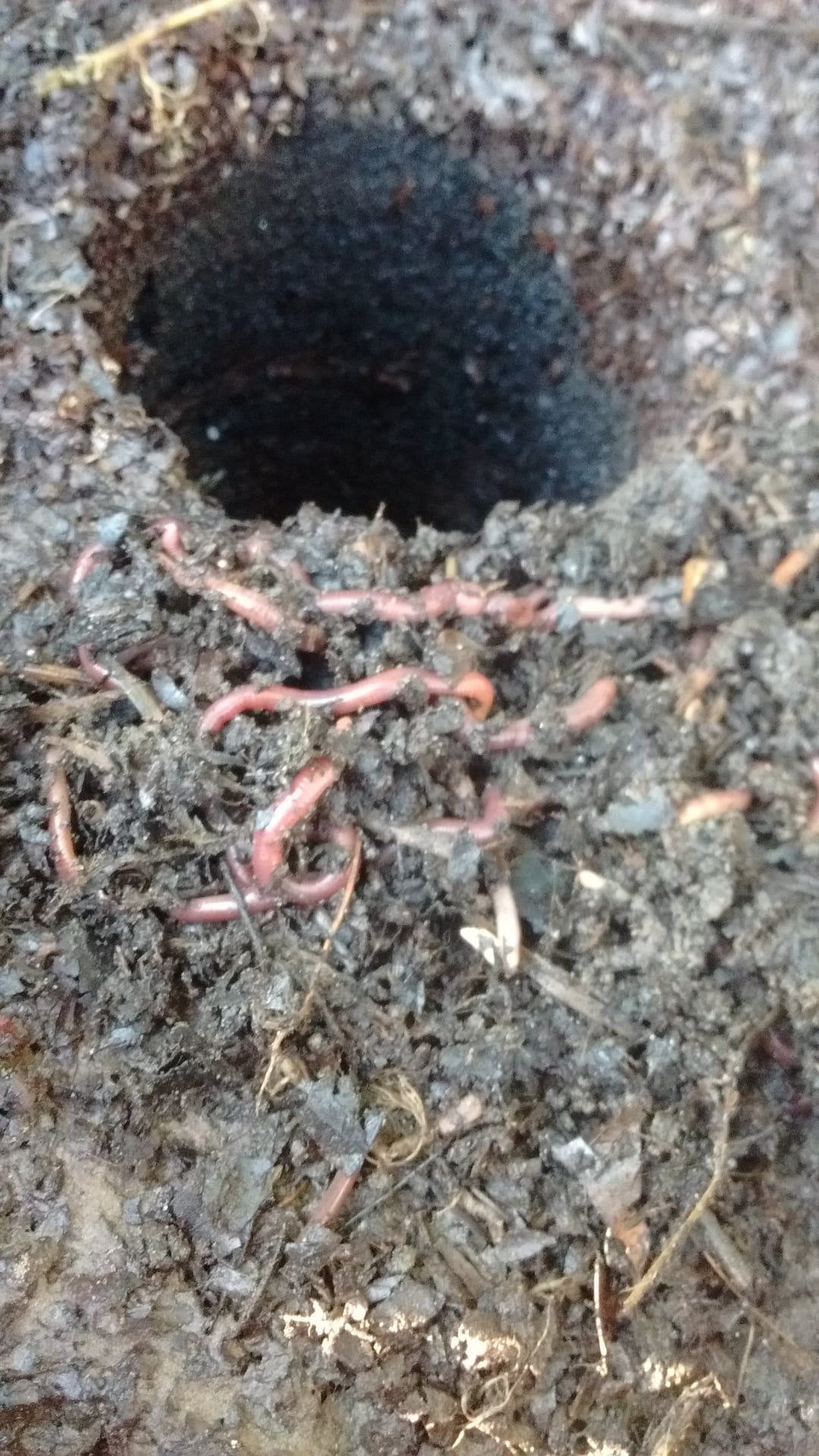
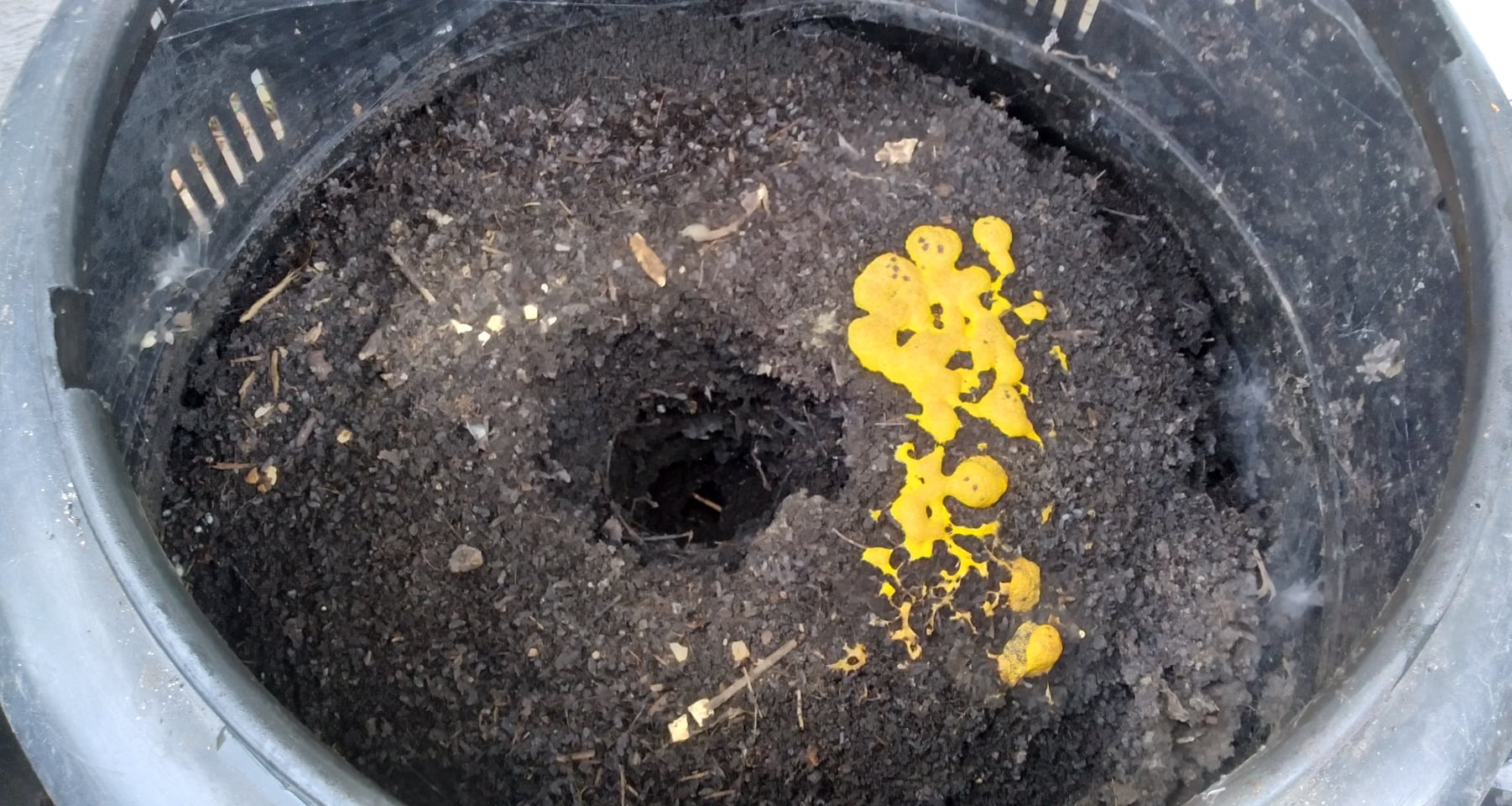
Experimenting with some of the principles of the Johnson-Su composting method at the scale of the backyard compost bin. Johnson-Su bioreactors produce a highly fungal-based compost insofar as the pile is not turned at all during the process. Because there is no turning, adequate aeration is maintained with the introduction of airstacks, which allow for a vertical column of air to be generated. Once the compost heats up and ‘sets’, the airstacks are removed leaving a negative space through which passive aeration may continue for the full period of composting. With the smaller scale of the backyard dalek bin, I’ve added the potential for a bicycle pump to act as a low-carbon technique for actively adding air to the stack. Finally, once the thermophilic phase of the compost is completed, worms are added to the pile for a more diverse and complete microbial mix in the resulting compost.

 Crooked Farmz